FAO: Small-scale fruit and vegetable processing
General raw-material handling and processing context.

Engineering references
Use external references to establish general engineering principles, then translate them into project-specific requirements, applicable-law checks and signed specifications.
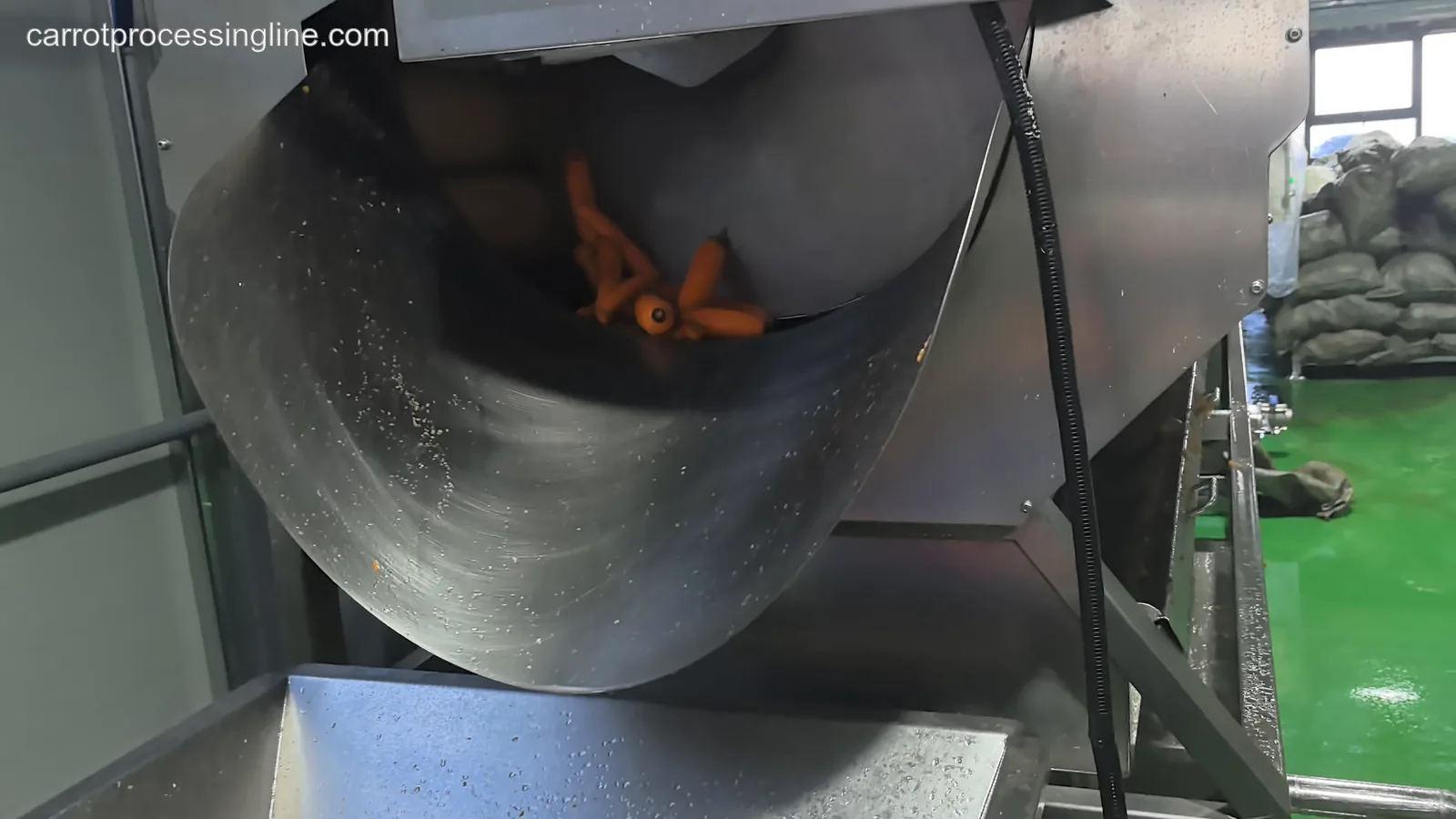
Food process
General raw-material handling and processing context.
General process reference including carrot-product context.
Supplier technical reference for separation-based juice processing routes.
U.S. guidance explaining why refrigerated low-acid carrot juice needs a validated safety approach.
Hygienic design
Translate each applicable principle into a drawing, material specification, cleaning circuit, inspection point or test. A standard name alone does not demonstrate conformity.
Hygienic-design principles covering cleanability, materials and equipment geometry.
Proposal review
Supported by an authoritative external source and clearly described as general.
Provisional project input with an owner and a route to confirmation.
Defined in the signed technical scope and tested against agreed criteria.
Supported by records from the actual feed, product, line and test conditions.
Continue planning
Review hygienic zoning, drainability, cleanability, CIP circuits, material selection and verification for carrot juice and puree processing.
Learn how material flow, heat, separation, controls and sanitation interact across an industrial carrot juice or puree processing line.
Compare carrot processing line proposals by scope, design basis, capacity boundary, acceptance evidence, utilities, controls, spares and exclusions.
Share the feedstock, target product, throughput basis, package and site utilities. The response can then focus on a defensible process boundary instead of a generic machine list.