Select a carrot processing line with a shared design basis
Select a carrot processing line using a documented product, mass balance, operating schedule, utility profile, package and acceptance plan.

Raw material
A nominal intake number says little about the washing load, preparation loss or product behavior unless the feedstock condition is described.
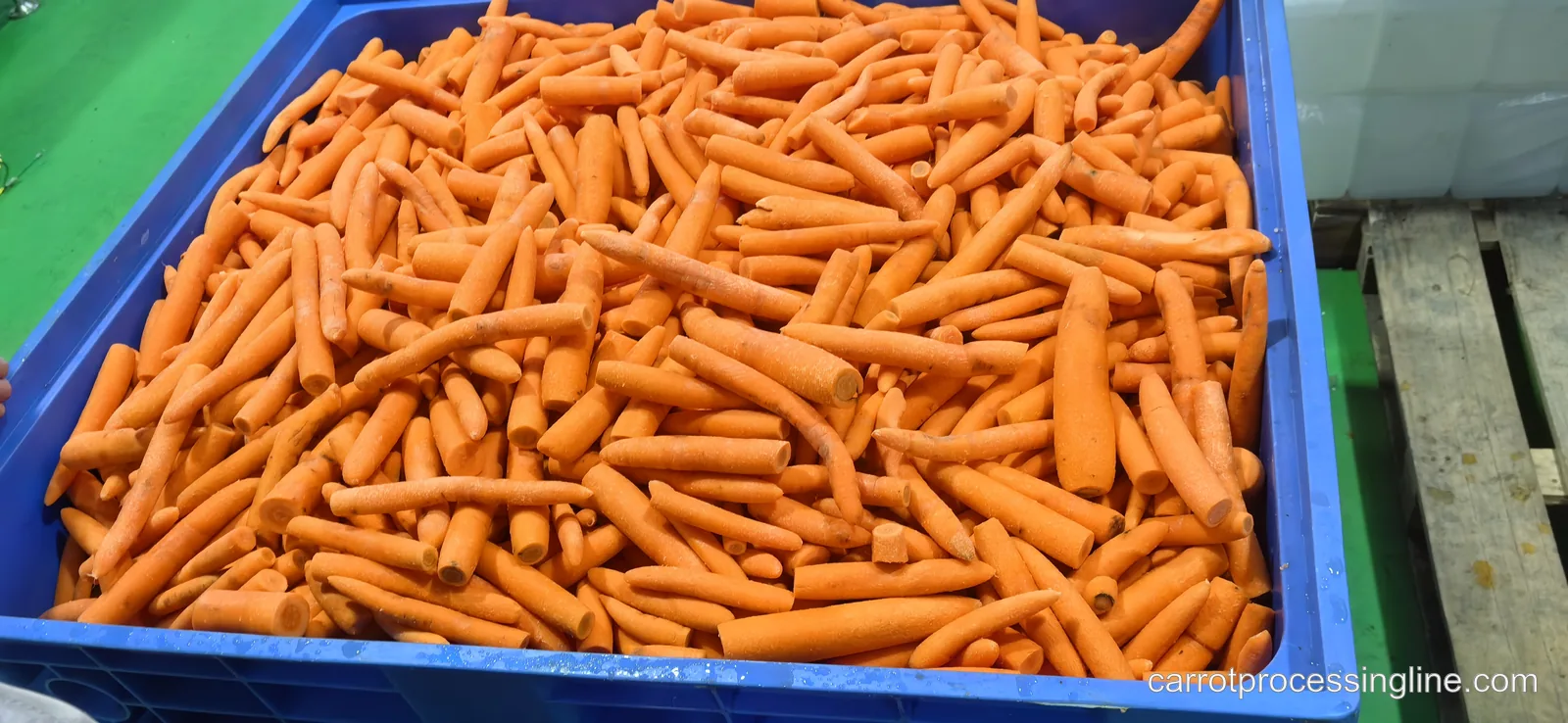
Feed definition
Carrot variety, maturity, diameter, broken-root fraction, surface soil and storage history can change how material travels through washing, inspection and cutting. A design basis should capture expected ranges and the worst credible operating condition rather than a single ideal sample.
If frozen, dried or pre-trimmed inputs are considered, treat them as separate feed cases. They may require different handling, rehydration, temperature control or sanitation boundaries.
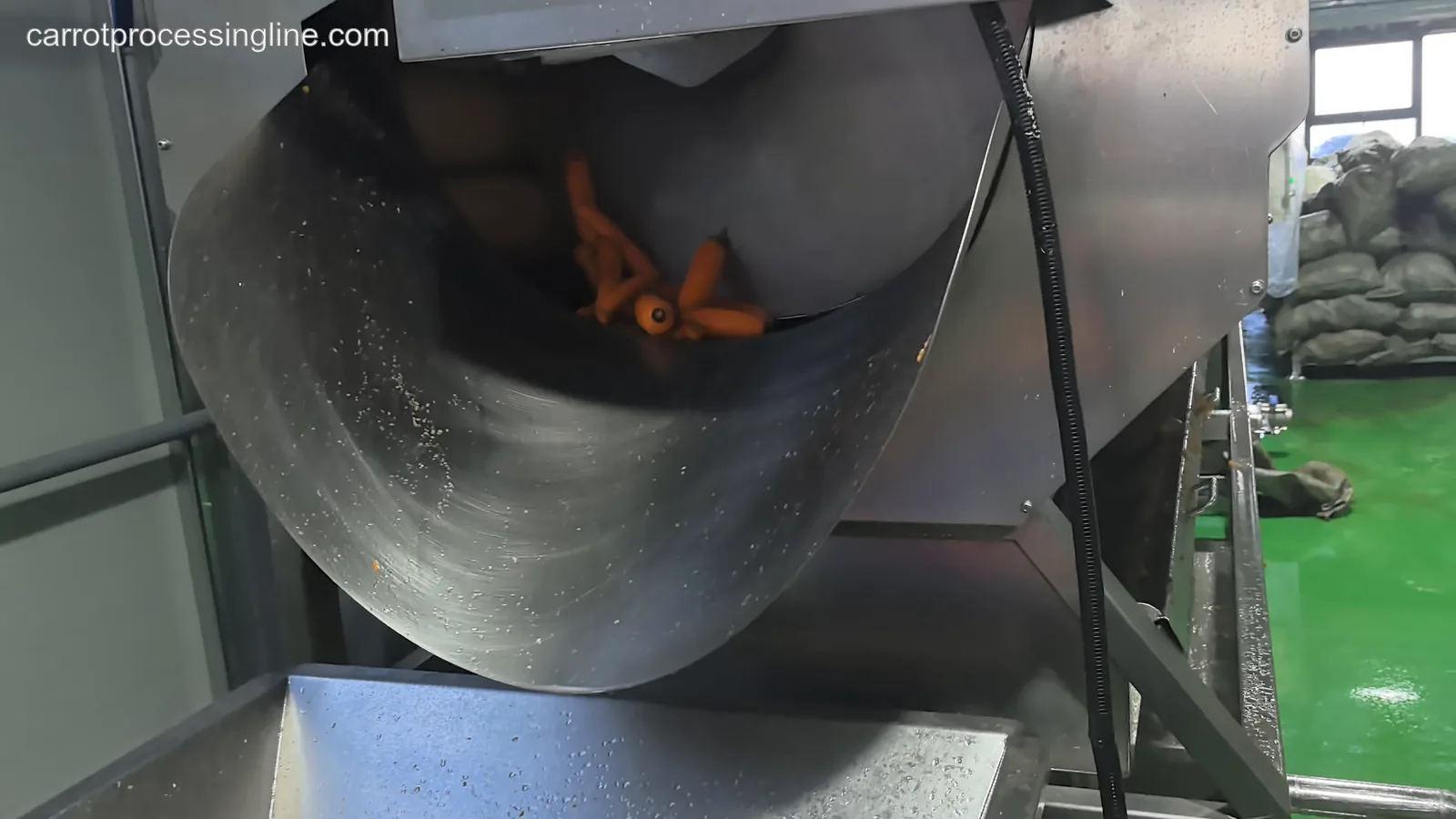
Trial discipline
A process trial is useful only when the sample, preparation, equipment settings and measurements are recorded. Results from one fresh batch should not silently become guarantees for every season. Where variability is material, define acceptance ranges or repeat trials with contrasting feed.
Yield basis
Yield depends on feed condition, peeling and trimming policy, extraction or refining method, product specification and measurement boundary. There is no responsible universal yield percentage. Project calculations should show the assumed mass balance and how it will be tested.
Continue planning
Select a carrot processing line using a documented product, mass balance, operating schedule, utility profile, package and acceptance plan.
Follow a stage-by-stage carrot process flow with a clear split between juice extraction and puree pulping, plus thermal and filling boundaries.
Troubleshoot carrot juice and puree line symptoms using feed, process, mechanical, control and cleaning evidence without guessing at universal settings.
Share the feedstock, target product, throughput basis, package and site utilities. The response can then focus on a defensible process boundary instead of a generic machine list.